Passion and Precision.
In the fascinating world of tobacco, beyond the quality of the leaves and their artisanal processes, there is a key element that sets apart a cigar from other tobacco products: the work of the "Maestro Torcedor" or Master Roller. These skilled artisans are responsible for giving shape and life to each cigar, and their craft is a perfect combination of passion, precision, and dedication.
The process of rolling a cigar is a centuries-old tradition that has been passed down from generation to generation, and it is a true art form that requires years of practice and experience to master. Each cigar is carefully and skillfully hand-rolled by the master roller, resulting in a unique and special piece that captivates tobacco enthusiasts.
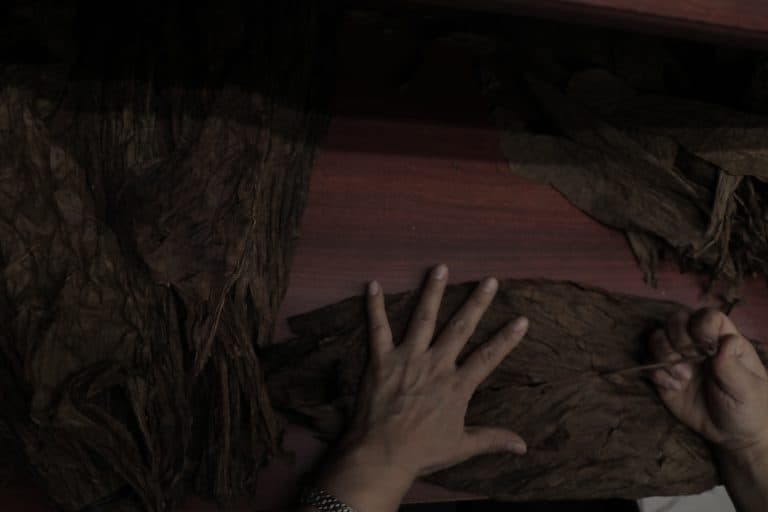
The process begins with a careful selection of the previously classified and blended tobacco leaves by the Maestro Ligador or Master Blender. Then, the Jefe de Materias hands the tobacco leaves to the Master Roller in packages or "Barajas," which are nothing less than the leaves needed for the day's cigar production for each torcedor. The Master Roller places them on the worktable of each cigar roller, where the rolling process begins. With precise movements, the torcedor rolls the tobacco leaves to shape the cigar, ensuring it is uniform and well compacted. This task requires specific skills and knowledge to achieve a cigar with even combustion, a perfect draw, proper shape, and the same flavor the Master Blender designed.
Rolling Process
The Bonche: First, the torcedor will take the leaves for the filler in a "ligero" order (leaves that provide strength) that will go in the center of the filler of the cigar; second, the "seco" leaves, which will provide combustibility, primary flavors, and aromas during the smoke; and finally, the "viso" leaves, which will provide certain organoleptic notes and, more importantly, combustibility. It is worth noting that depending on the type of cigar being made, it may require more or fewer leaves of a certain type. There is no exact number; this will be determined by the Master Blender and the cigar's size.
These leaves will be arranged in a certain way to achieve a good draw and proper structure. The ways of arranging the leaves in the center of the cigar can vary and depend on the factory. It could be accordion-style, in a tube, in a flower pattern, but it's a matter of each manufacturer's preference. At Casa 1910, we like to mix these techniques. Once the tobacco is ready, it will be wrapped in the binder leaf, which will provide structure, combustibility, and some flavor and aroma during the smoke.
After the bonche is completed, it will be placed in a mold that closes on two sides to press it and obtain the correct structure for smoking. After the bonche has been pressed for a certain period, it will be checked using the draw machine, where each cylinder is placed inside a tube that tests the air resistance through the cigar. Another extra test that will be carried out is the weight, as each cigar roller, when making a new cigar, will have to verify the weight of each cigar several times. If they pass both the draw and weight test correctly, they can move on to the next step.
Capping: Once the bonche has been verified for draw and weight, it goes to the famous capping process. Here, the torcedor prepares the finest and most beautiful leaf of the cigar with an exact cut and placement on the table to roll the bonche in the wrapper, dressing it. Until reaching the end of the cigar, where precise movements, cuts, and other fine details are made to finish with the "Perilla" or the cigar's head. This part will be cut later and placed in the mouth for smoking, and believe me, it involves many details.
Once the cigar has been rolled, it enters a crucial stage: the production inspection. Here, each cigar is meticulously inspected by quality experts. It is verified that the cigar meets the standards of beauty, finish, weight, thickness, length, and that its flavor, aroma, and appearance are impeccable. This inspection ensures that only the finest cigars reach the hands of our customers, providing them with an exceptional smoking experience.
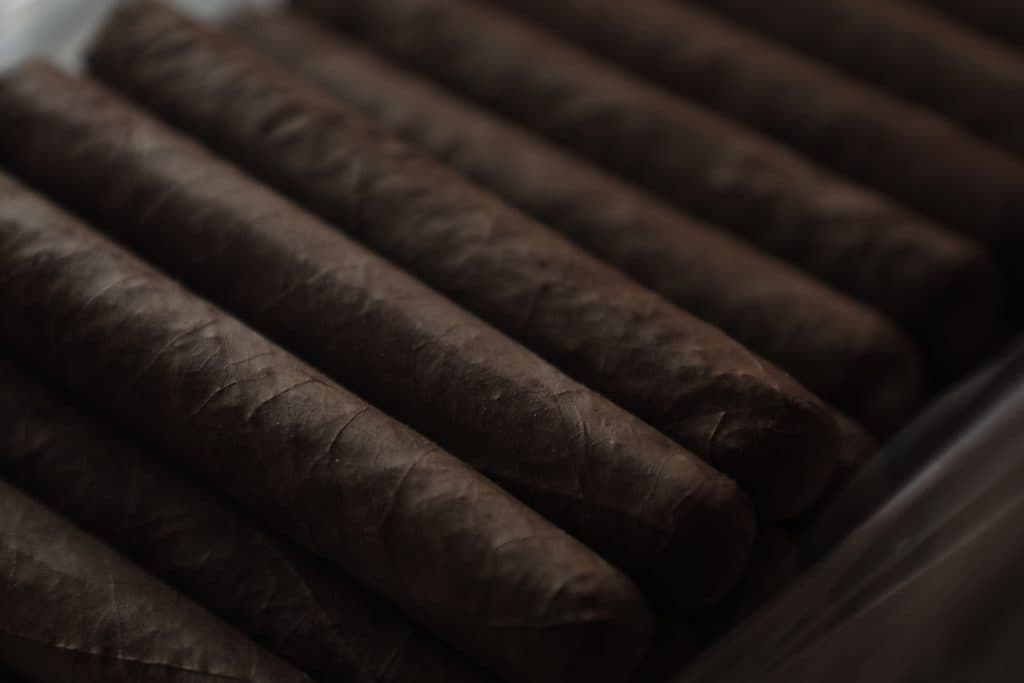
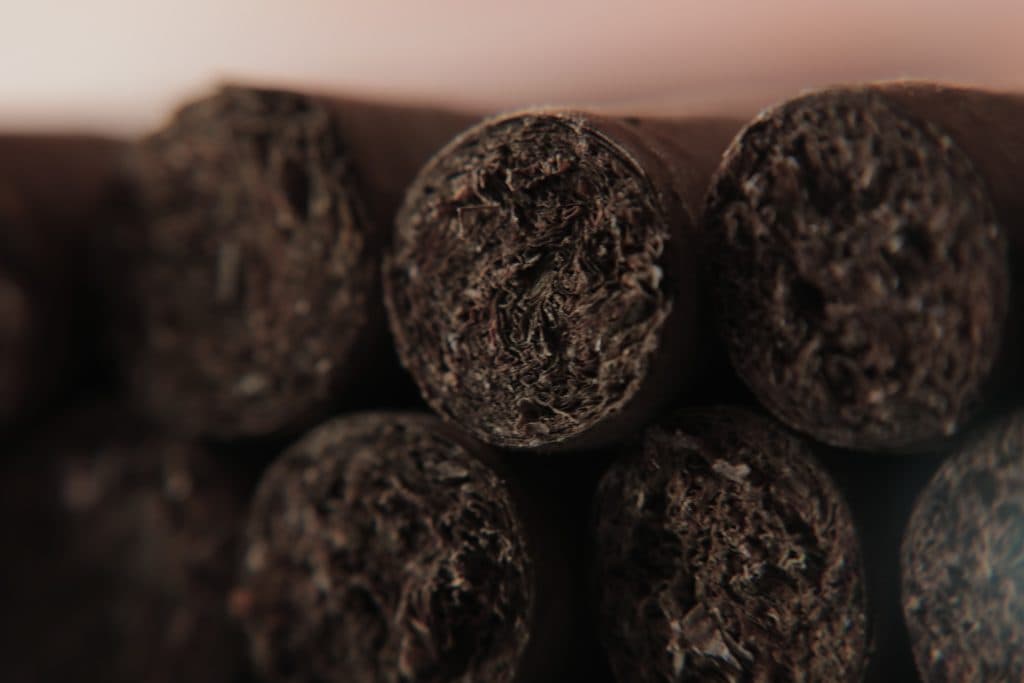
After the production inspection, the cigars move on to the finishing process. They are separated by color, but that's simply another blog entry, which I will share with you later. Once completed, the cigars are adorned with elegant and distinctive bands bearing the Casa 1910 seal. The banding process is another delicate and meticulous step carried out with care to preserve the cigar's structure.
Finally, the cigars are placed in custom-made boxes, ready to be shipped to tobacco enthusiasts worldwide. Each box is a work of art in itself, carefully designed and crafted to preserve and protect the freshness and flavor of the cigars.
At Casa 1910, we take pride in having highly experienced master cigar rollers who work with passion and dedication to create cigars of the highest quality. Each cigar that leaves our facilities carries the essence of Mexican tobacco artistry and the centuries-old tradition of hand-rolling.
So, the next time you enjoy a Casa 1910 cigar, take a moment to appreciate the work and mastery behind each one. Each of them is a unique and special piece, crafted with love and care by our talented torcedores. Enjoy the experience and savor the passion in every puff!
By Manolo Santiago, Blender / Co-Founder of Casa 1910 #OrgulloNacional