Tobacco Has History.
In September, the United States celebrates Hispanic Heritage Month, a time dedicated to honoring and recognizing the contributions of the Hispanic community throughout the country's history. One of the lesser-known but equally important aspects of this heritage is the Hispanic influence in the world of premium cigars, which has left an indelible mark on the cigar industry.
When we explore the history of tobacco in the United States, it is impossible to overlook the Hispanic heritage. It was Spanish explorers who promoted tobacco throughout the American continent in the 16th century, also taking it from the New World to Europe. This discovery forever changed the history of tobacco and its consumption worldwide.
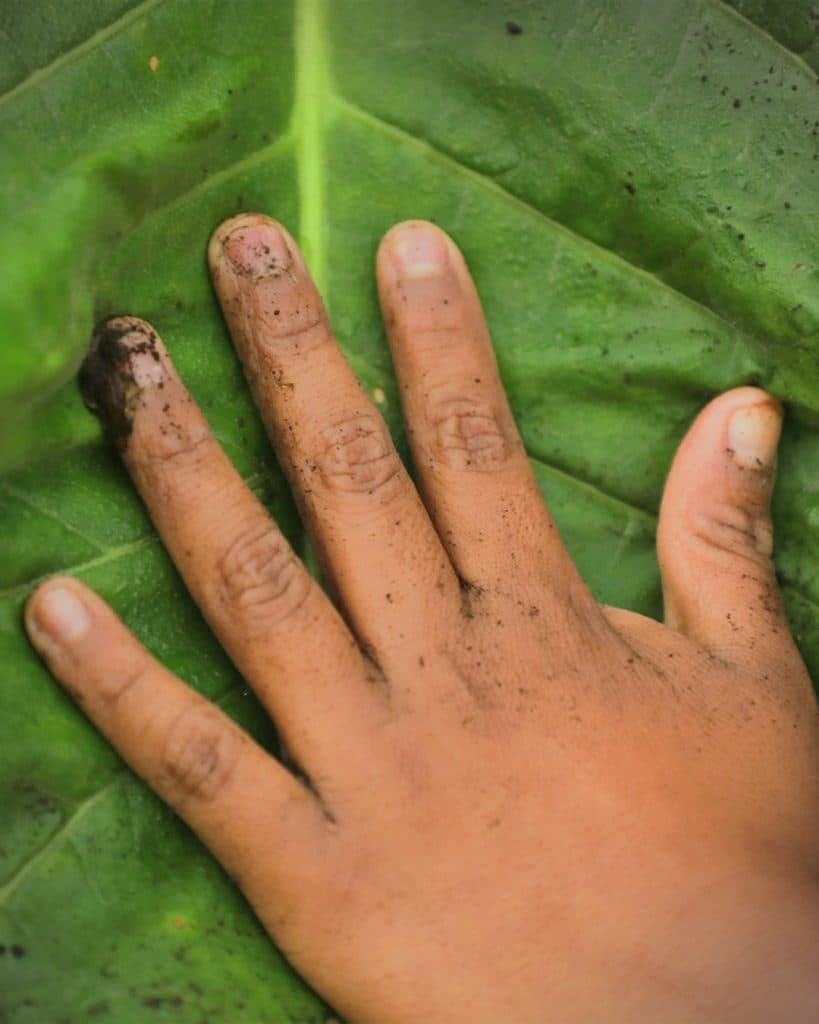
The Caribbean region, in particular, played a crucial role in the cultivation and production of high-quality tobacco. From Cuba and the Dominican Republic to Nicaragua and Honduras, other Spanish-speaking countries in the Caribbean and Central America, including Mexico, have become some of the leading producers of premium tobacco in the world. These countries have perfected the techniques of cultivation, curing, and rolling of tobacco, creating some of the most respected and sought-after cigar brands today.
Premium tobacco is not just an industry but also an art form that has been passed down from generation to generation in Hispanic communities. As they say, "Tobacco is spoken in Spanish." Master blenders, those skilled artisans who handcraft each cigar, have carried their traditions and knowledge with them for centuries. Their skills and experience have become an integral part of the premium cigar culture in the United States and worldwide. Farmers and those who dedicate their lives to tobacco processing, from curing to aging.
Today, when we enjoy a high-quality cigar, we are experiencing a Hispanic legacy that has endured over the centuries. Each puff connects us with the passion, precision, and dedication that are distinctive characteristics of Hispanic heritage in the premium cigar industry.
We must consider that the impact of premium cigars in the United States goes beyond the tobacco industry. Throughout the country's history, cigars have played a notable role in culture, art, and literature. From cigar clubs frequented by iconic figures like Mark Twain and Winston Churchill to artistic representations capturing the elegance of enjoying a cigar, this product has left its mark on the history of the United States. Furthermore, writers, painters, and musicians have found inspiration in the ritual of lighting a cigar. The pages of American literature are sprinkled with characters who enjoy a good cigar while discussing profound topics or making momentous decisions. This connection between premium cigars and creativity has been an integral part of the cultural identity of the United States and is a living testament to the lasting influence of Hispanic heritage on the nation.
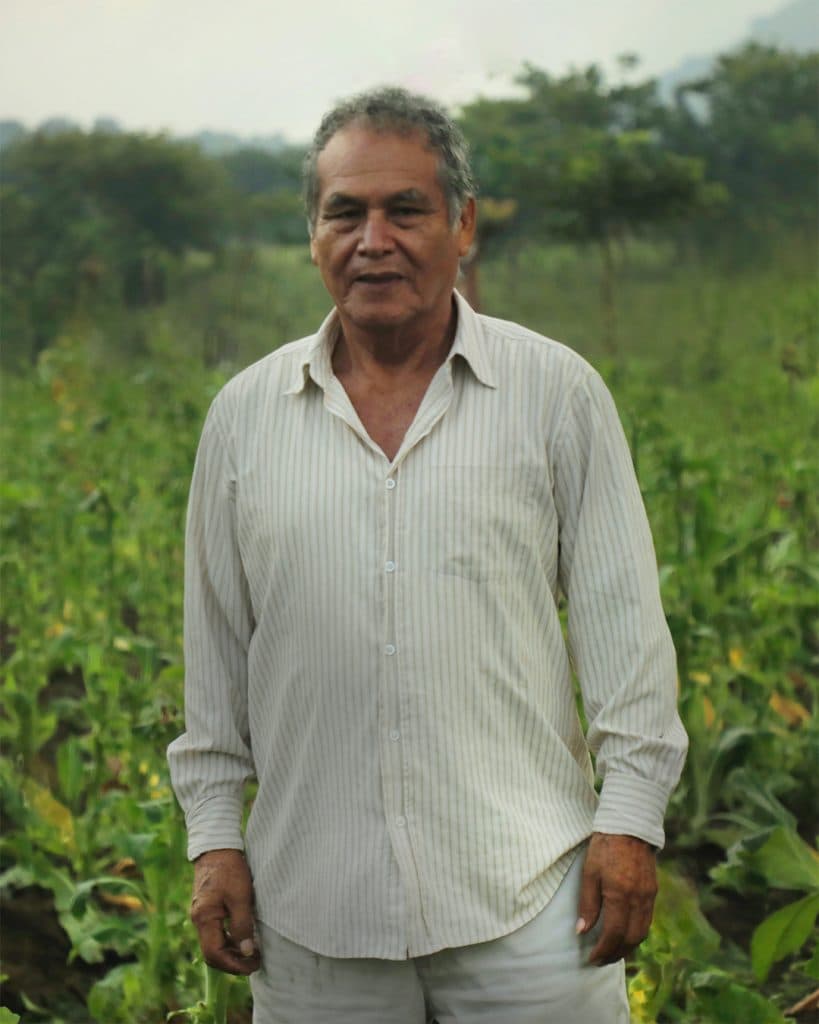
At Casa 1910, we are proud to be a part of this rich tradition. Our Negro San Andrés cigars are a tribute to Hispanic heritage in the world of premium cigars, crafted with techniques and care that have been passed down from generation to generation. As we celebrate Hispanic Heritage Month, we honor not only our own heritage but also that of all those who have contributed to making premium tobacco a true masterpiece.
A quality cigar is much more than just a product; it is an expression of the heritage, culture, and art that have shaped the history of tobacco in the United States and around the world. So, as you enjoy your next premium cigar, remember the rich Hispanic heritage behind each puff.
By Manolo Santiago, Blender / Co-Founder of Casa 1910 #OrgulloNacional