Tobacco in Ancestral Rituals
Tobacco is one of the most fascinating and valuable plants in the history of pre-colonial American cultures. Even before the arrival of the Spanish, tobacco was highly valued by various civilizations in Mesoamerica and the Caribbean. Its use went beyond medicine and recreation; it had deep religious and mystical significance. Over the centuries, tobacco became a link between the spiritual and the earthly realms. In this article, we will explore how the Taínos, Mayas, Aztecs, Olmecs, and Native Americans used tobacco in their rituals.
The Taínos were the indigenous people of the Caribbean islands, including Cuba, the Dominican Republic, and Puerto Rico. For the Taínos, tobacco was sacred and spiritual. They used tobacco leaves as offerings to the gods and as a means of communicating with the spiritual world. Smoking tobacco in ceremonial pipes (cohobas) was a common practice among the Taínos, and it was believed that the smoke helped to connect with spirits and deities, including lesser gods or "archangels" and Cemís, who were their main deities. Only the chosen few could use, transform, and consume this magical product. In fact, only the spiritual leader of the tribe had the authority to perform cohoba (tobacco) rituals, all with the sole purpose of communicating with the divine.
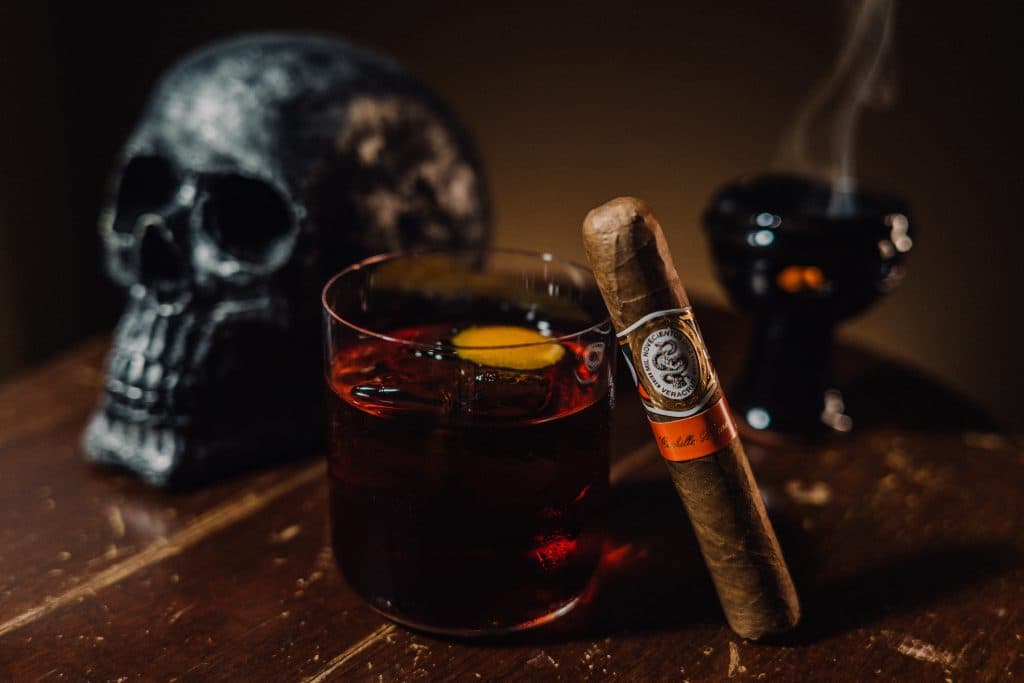
The Maya, one of the most advanced civilizations in Mesoamerica, regarded tobacco as a bridge between the world of the living and the world of the dead. Mayan priests used tobacco in divination rituals to interpret the dreams of smokers. They also believed that smoking tobacco helped them communicate with the gods.
The Aztecs were known for their complex religious rituals, and tobacco played an important role in these ceremonies. They used it in sacrificial rituals, believing that the smoke from the tobacco transported the souls of the victims to the world of the gods. The Aztecs smoked tobacco in pipes and considered it a gift from the gods.
The Olmecs, one of the oldest civilizations in Mesoamerica, are believed to have been the first to cultivate and use tobacco in the region. Although less is known about their specific practices with tobacco, their early influence on tobacco culture in Mesoamerica is undeniable.
The use of tobacco was not limited to these civilizations. Native Americans from various tribes in North America also had rituals and practices related to tobacco. Tobacco was used in peace ceremonies, to communicate with spirits, and as an offering to nature.
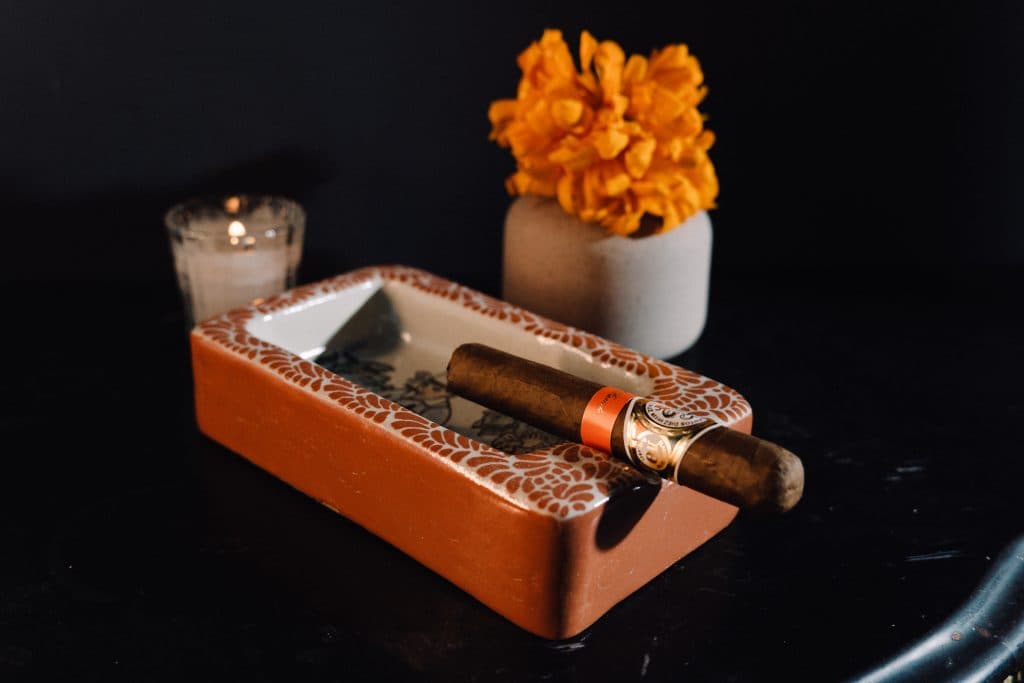
Ultimately, tobacco played a fundamental role in the pre-Columbian cultures of Mesoamerica and the Caribbean. Its importance went beyond the physical to the spiritual and religious. Despite the changes that occurred with the arrival of the Spanish and the subsequent globalization of tobacco, the legacy of its use in rituals still persists in some of these cultures. Today, tobacco continues to be a symbol of the connection between the earthly and the divine, reminding us of the depth of its significance in the history of the Americas.
Today, at Casa 1910, we seek to honor these ancient rituals by paying proper tribute to our ancestors. We respect the land, process the tobacco correctly, make quality cigars, and above all, share a mystical and awe-inspiring ritual with all lovers of Negro San Andrés tobacco.
By Manolo Santiago, blender/co-founder of Casa 1910 #OrgulloNacional